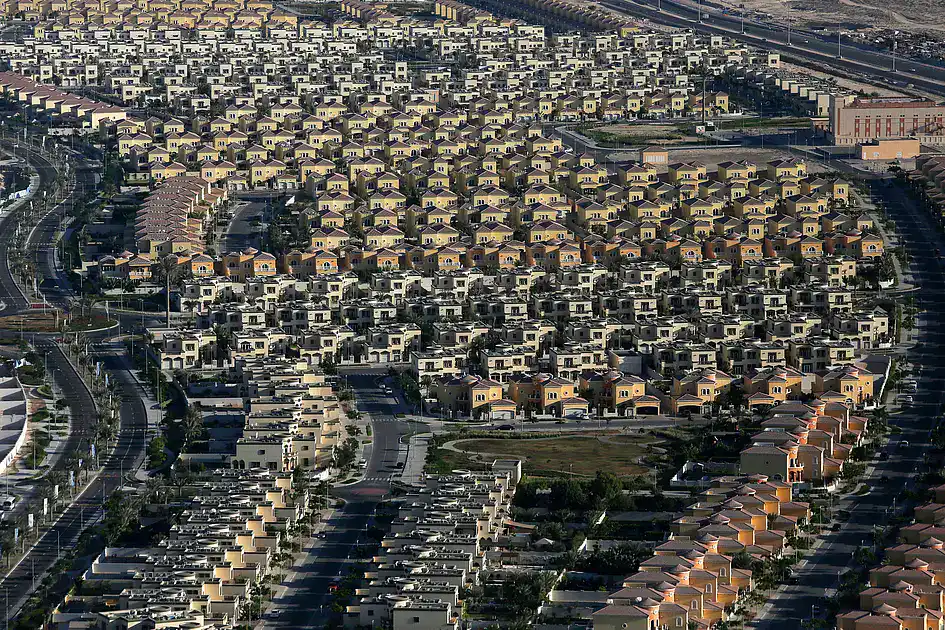
City-wide residential sale prices fell 4 per cent quarter-on-quarter, while average rents dropped 6 per cent over the same period as the market shifted towards a more balanced phase.
What the source says
Dubai home prices, rents decline as supply rises; 32,000 more units due this year
Transport Crime Education Legal Weather Emergencies Jobs Gratuity Calculator KT Engage UAE Holidays Banking in UAE Visa & Immigration Living in the UAE Schools & Parents Ramadan 2026 Global Indians Voices of the UAE
Galadari BrothersPaid Program Innovation CityPaid Program Investing Real Estate Energy Aviation Leadership Lists KT Network
Futuresec FWF Summit UniExpo BIT Summit Women’s Power Summit NAFA-8th Edition Desert Drive 2026
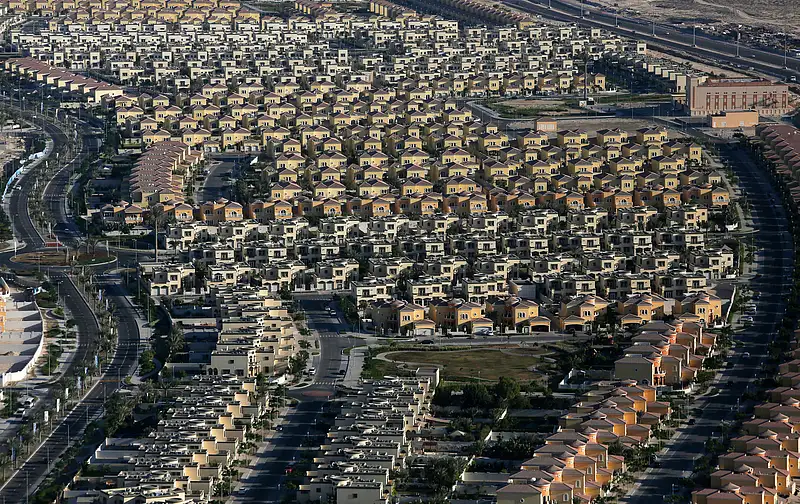
City-wide residential sale prices fell 4 per cent quarter-on-quarter, while average rents dropped 6 per cent over the same period as the market shifted towards a more balanced phase. PUBLISHED: Sun 9 Aug 2026, 2:35 PM
Dubai’s residential property market showed further signs of cooling in the second quarter of 2026, with both sale prices and rents declining as new supply entered the market and buyer activity slowed after several years of rapid growth.
According to Cushman & Wakefield Core, city-wide residential sale prices fell 4 per cent quarter-on-quarter, while average rents dropped 6 per cent over the same period as the market shifted towards a more balanced phase.
Adnoc Gas monitoring situation in Strait of Hormuz; Habshan complex 85% restored Dubai shared housing: Families, bachelors among eligible groups; rent to be paid monthly Footage of Mojtaba Khamenei to be ‘released in future’, says Iran group amid rumours Oman says ongoing Hormuz negotiations are ‘positive and constructive’ Dubai car showroom blast: Expat killed in explosion would have turned 30 yesterday
Why this matters for Brics
The development described in “Dubai home prices, rents decline as supply rises; 32,000 more units due this year” is relevant for Brics because it connects United Arab Emirates with a wider market update signal that may influence investor confidence, property demand, market access or cross-border strategy.
For Brics Real Estate readers, the value is not only the headline itself. The important question is how this development connects to cross-border capital, investor confidence, local demand, infrastructure, payment routes, regulation and the practical steps buyers need before entering a market.
Property and investment implications
For buyers and investors looking at United Arab Emirates, this update should be reviewed against location quality, developer credibility, liquidity, rental demand, ownership rules, financing conditions and exit strategy. A news signal becomes useful only when it is connected to real property fundamentals.
Brics member markets are increasingly linked by trade, travel, capital flows and policy decisions. That makes market intelligence more valuable for investors who compare multiple jurisdictions before choosing where to buy, hold or partner.
What to watch next
Before acting on this update, buyers should monitor implementation details, local market response, transaction costs, available property supply and any follow-up announcements from official or market sources.
Brics Real Estate can use this source as a starting point for a deeper market insight, adding local context, investor relevance and a clear next step for buyers or partners who want to compare opportunities across Brics markets.
Source: www.khaleejtimes.com
Why this is interesting for Brics readers
The development described in “Dubai home prices, rents decline as supply rises; 32,000 more units due this year” is relevant for Brics because it connects United Arab Emirates with a wider market update signal that may influence investor confidence, property demand, market access or cross-border strategy.
For Brics Real Estate, this kind of source is useful because it can be translated into buyer questions: where demand may strengthen, which locations may benefit, what policy or infrastructure details matter, and how international investors should compare the market with other Brics member countries.
How to connect this signal to property decisions
A market update becomes actionable only when it is tested against property fundamentals. Buyers should look at ownership rules, transaction costs, rental demand, developer track record, liquidity, currency exposure, financing routes and the intended holding period before making a decision.
The Brics connection matters because member markets do not move in isolation. Trade relationships, payment infrastructure, travel flows, regulation and investor sentiment can make one market more attractive when compared with Brazil, Russia, India, China, South Africa, Egypt, Ethiopia, Indonesia, Iran, Saudi Arabia and the United Arab Emirates.