Residential prices fell for a second straight quarter but the pace of declines slowed sharply, while office and industrial assets surged to new highs amid tight supply
What the source says
Transport Crime Education Legal Weather Emergencies Jobs KT Engage UAE Holidays Banking in UAE Visa & Immigration Living in the UAE Schools & Parents Ramadan 2026 Global Indians Voices of the UAE Gratuity Calculator
Residential prices fell for a second straight quarter but the pace of declines slowed sharply, while office and industrial assets surged to new highs amid tight supply
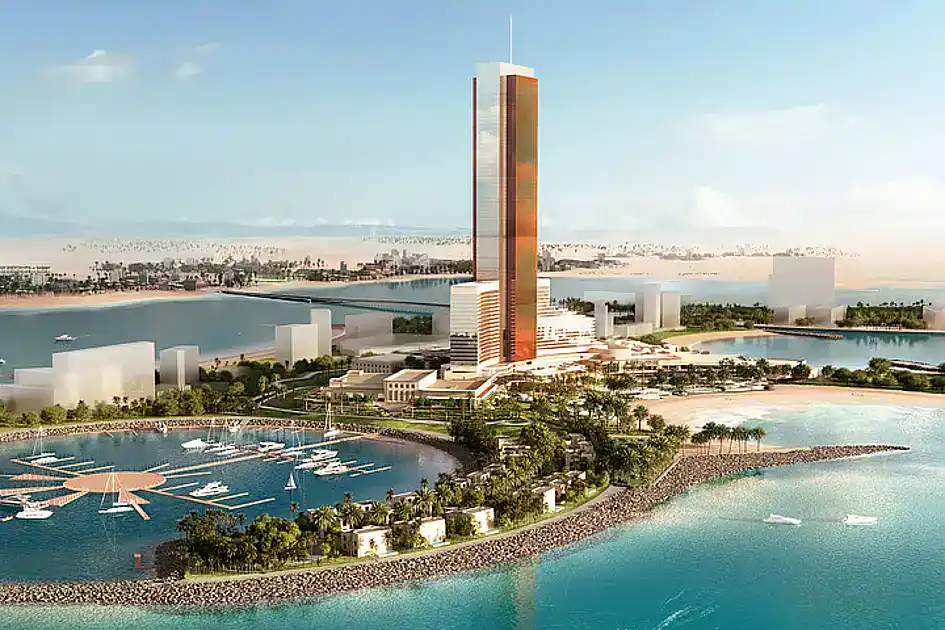
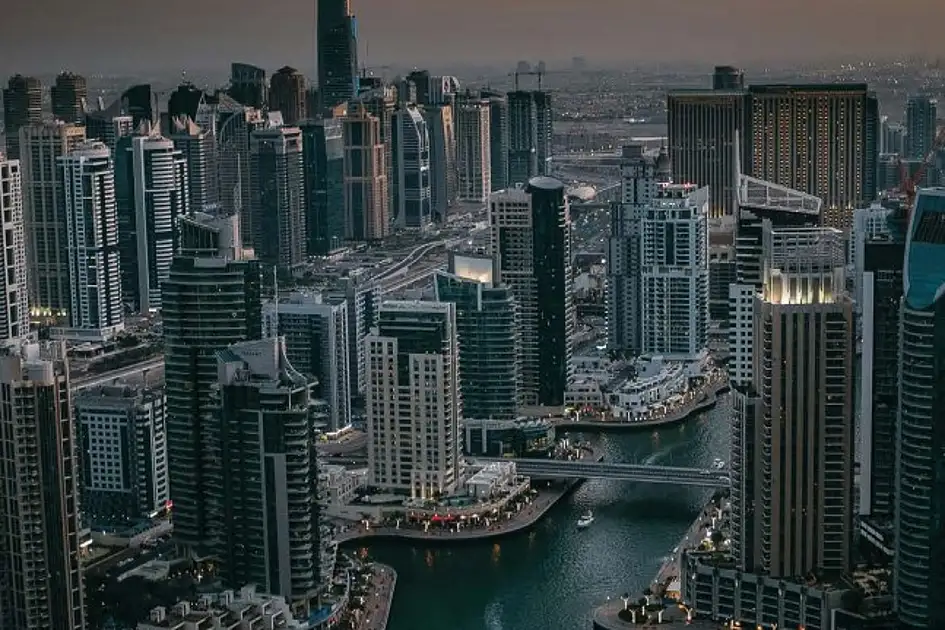
Dubai’s real estate market is showing signs of stabilisation after a turbulent first half of 2026, with residential price declines slowing significantly while commercial property sectors continue to post record-breaking gains, according to ValuStrat’s latest quarterly market review.
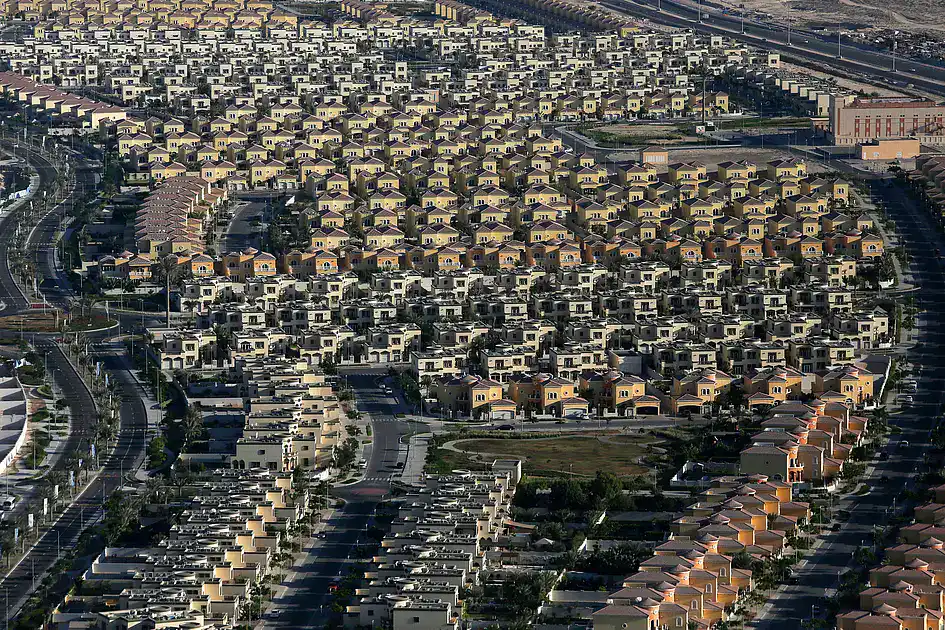
The emirate’s residential property market recorded a second consecutive quarterly decline, but the downturn lost momentum during the second quarter. ValuStrat’s Residential Price Index fell 4 per cent quarter-on-quarter to 220 points, extending cumulative declines since late February to 10 per cent. However, monthly declines eased markedly, dropping from 6 per cent in March to 2 per cent in April and just 1 per cent in both May and June, suggesting the market is gradually finding its footing.
“Price drops are easing” following the disruption earlier this year, with the trend pointing towards market stabilisation, the report said. Despite the correction, residential values remained broadly unchanged from a year earlier. The average Dubai villa was valued at Dh13 million, up 2 per cent year-on-year, while apartment values averaged Dh1.79 million, down 3 per cent annually.
The slowdown in price growth has not translated into weaker rental performance. Residential rents remained largely stable throughout the quarter, with the rental index rising 1.7 per cent year-on-year. Average villa rents increased 2.2 per cent annually to Dh441,000, while apartment rents edged up 1.3 per cent to Dh98,000. ValuStrat said affordability constraints, rather than falling demand, appeared to be limiting rental growth.
A major factor influencing the market has been supply delays. Only about 20,000 homes were completed during the first half of 2026, representing just 15 per cent of the preliminary full-year delivery target of more than 129,000 units. Rising construction costs and ongoing supply-chain disruptions have slowed project handovers across the city.
“The trend suggests that the pace of house price declines eased considerably during the second quarter, pointing towards a gradual market stabilisation,” said Haider Tuaima, ValuStrat’s managing director and head of real estate research.
While the residential sector cooled, Dubai’s office market strengthened further. Office capital values climbed 3.7 per cent during the quarter and 13.9 per cent year-on-year, pushing the office price index to a record 299.5 points. The surge has been driven largely by a shortage of high-quality Grade A space, with average office values nearly tripling since 2021.
Limited availability is also reshaping transaction activity. Office sales volumes fell more than 50 per cent during the quarter, yet average transaction prices reached a record Dh2,045 per square foot as buyers competed for scarce stock.
Dubai’s industrial and logistics sector remained one of the strongest-performing segments. Warehouse and logistics capital values rose 8.4 per cent quarter-on-quarter and 17.7 per cent annually, supported by e-commerce growth, localisation initiatives and sustained demand from third-party logistics operators. With modern warehouse space in short supply, asking rents jumped 11.9 per cent in the second quarter alone.
Why this matters for Brics
The development described in “Dubai property market stabilises as home price declines ease ” is relevant for Brics because it connects United Arab Emirates with a wider market update signal that may influence investor confidence, property demand, market access or cross-border strategy.
For Brics Real Estate readers, the value is not only the headline itself. The important question is how this development connects to cross-border capital, investor confidence, local demand, infrastructure, payment routes, regulation and the practical steps buyers need before entering a market.
Property and investment implications
For buyers and investors looking at United Arab Emirates, this update should be reviewed against location quality, developer credibility, liquidity, rental demand, ownership rules, financing conditions and exit strategy. A news signal becomes useful only when it is connected to real property fundamentals.
Brics member markets are increasingly linked by trade, travel, capital flows and policy decisions. That makes market intelligence more valuable for investors who compare multiple jurisdictions before choosing where to buy, hold or partner.
What to watch next
Before acting on this update, buyers should monitor implementation details, local market response, transaction costs, available property supply and any follow-up announcements from official or market sources.
Brics Real Estate can use this source as a starting point for a deeper market insight, adding local context, investor relevance and a clear next step for buyers or partners who want to compare opportunities across Brics markets.
Source: www.khaleejtimes.com
Why this is interesting for Brics readers
The development described in “Dubai property market stabilises as home price declines ease ” is relevant for Brics because it connects United Arab Emirates with a wider market update signal that may influence investor confidence, property demand, market access or cross-border strategy.
For Brics Real Estate, this kind of source is useful because it can be translated into buyer questions: where demand may strengthen, which locations may benefit, what policy or infrastructure details matter, and how international investors should compare the market with other Brics member countries.
How to connect this signal to property decisions
A market update becomes actionable only when it is tested against property fundamentals. Buyers should look at ownership rules, transaction costs, rental demand, developer track record, liquidity, currency exposure, financing routes and the intended holding period before making a decision.
The Brics connection matters because member markets do not move in isolation. Trade relationships, payment infrastructure, travel flows, regulation and investor sentiment can make one market more attractive when compared with Brazil, Russia, India, China, South Africa, Egypt, Ethiopia, Indonesia, Iran, Saudi Arabia and the United Arab Emirates.