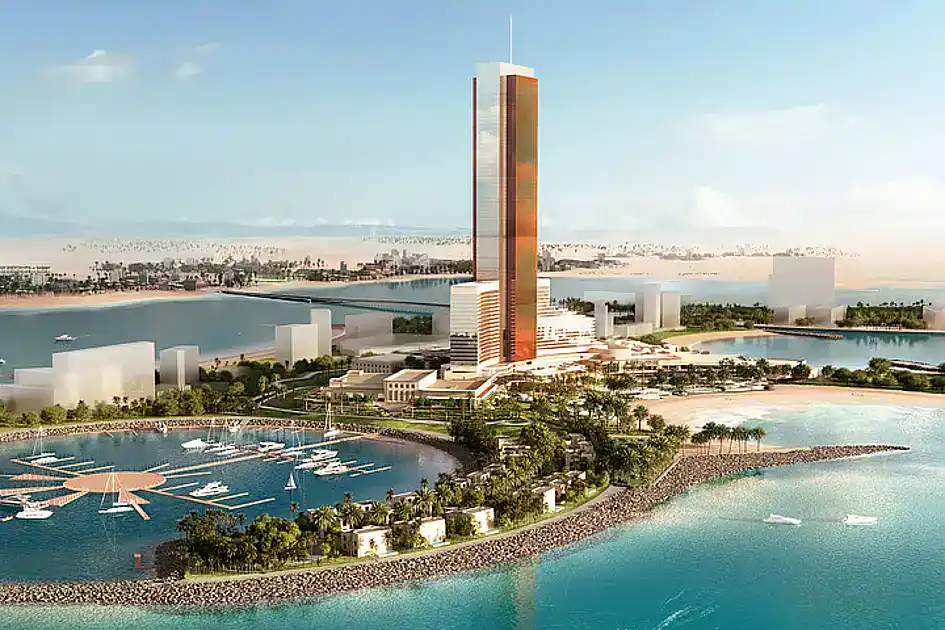
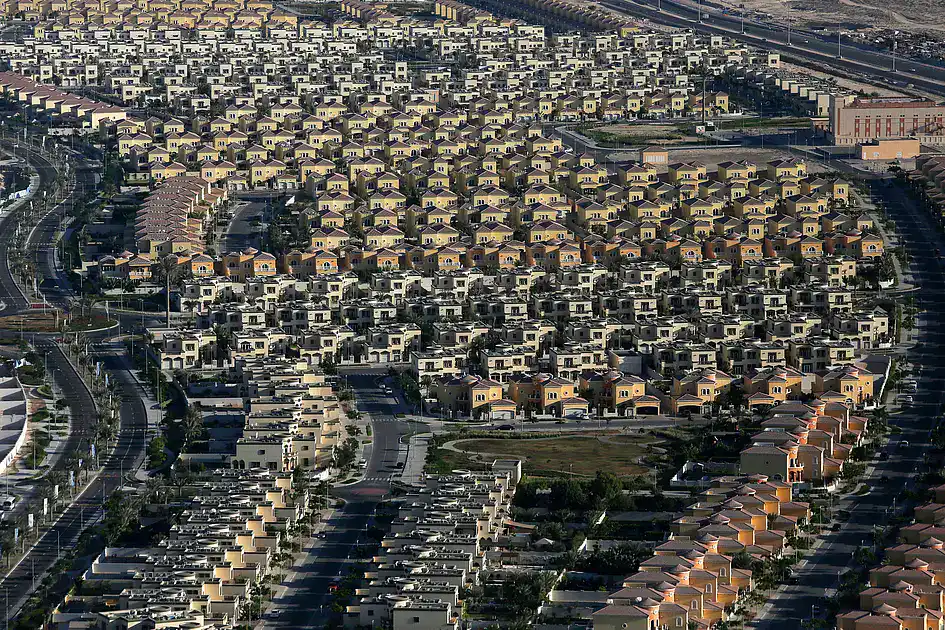
A new report by property consultancy Knight Frank found that waterfront communities remained among the strongest-performing residential markets
What the source says
Yas Island, Al Reem apartment prices jump 18% as Abu Dhabi office leasing slows
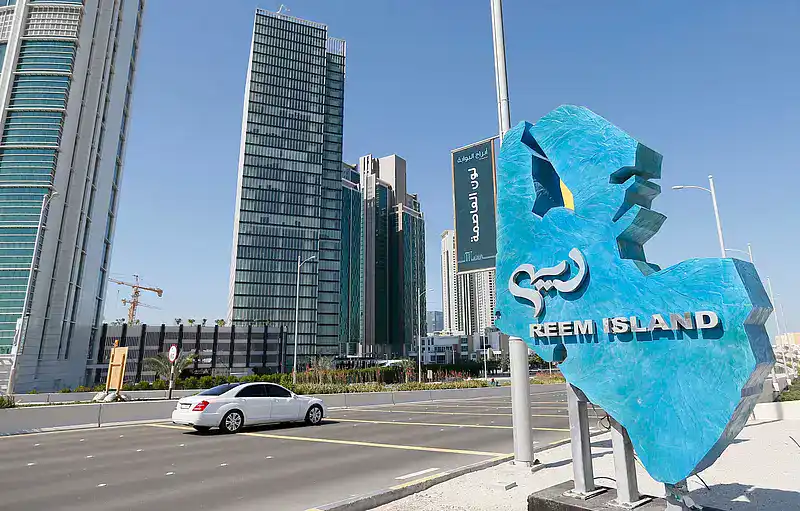

Average apartment prices on Yas Island and Al Reem Island rose by around 18 per cent year-on-year. Al Saadiyat Island remained Abu Dhabi’s most expensive apartment market, with average transaction prices reaching Dh43,100 per square metre, up 21 per cent from a year earlier.
40% annual price growth
In the villa segment, Al Jubail Island recorded the strongest annual price growth of around 40 per cent. At the same time, Al Saadiyat Island retained its position as the emirate’s most expensive villa location, with average transaction values of Dh26,500 per square metre.
Knight Frank said Abu Dhabi has around 36,900 homes under construction between 2026 and 2030, with apartments accounting for two-thirds of the pipeline. Around 70 per cent of new apartment supply is expected to be delivered in 2026 and 2027, although construction cost pressures and higher shipping insurance costs could lead to delays.
Yas Island accounts for the largest share of upcoming residential supply, with around 7,700 units under construction, followed by Fahid Island with 3,550 units and Saadiyat Island with 3,250 units.
Office leasing transactions down
While the residential market remained resilient, the office sector showed early signs of cooling.
Office leasing transactions totalled about 23,616 in the first half of 2026, down 13 per cent from the same period a year earlier. The decline was recorded across most districts, although Al Reem Island stood out with leasing activity surging by more than 148 per cent.
Knight Frank expects about 428,000 square metres of new office space to be delivered between 2026 and 2028, with most of the supply entering the market over the next two years. The consultancy said the additional supply, combined with softer leasing demand, could put upward pressure on vacancy rates.
“Despite the geopolitical challenges posed by the ongoing regional conflict, Abu Dhabi’s residential market continues to be supported by robust domestic demand, with prime waterfront communities such as Al Saadiyat and Yas Island leading the emirate’s price growth,” said Faisal Durrani, Partner and Head of Research, Mena at Knight Frank.
“With close to 37,000 homes in the pipeline through to 2030, supply is beginning to catch up with several years of sustained demand. Even so, the concentration of new stock in a handful of master-planned communities means well-located, ready properties in areas like Al Saadiyat and Yas Island are likely to retain their premium,” said Shehzad Jamal, Partner, Real Estate Consultancy, Mena.
“The outlook for Abu Dhabi’s office market is firmly positive. Occupancy stands at around 98 per cent with rental rates up year-on-year, and with only around 166,000 square metres of new supply due in 2026, Grade A space will remain scarce,” James Hodgets, Partner, Occupier Strategy and Solutions, MEA, said.
Why this matters for Brics
The development described in “Yas Island, Al Reem apartment prices rise 18% as Abu Dhabi housing market booms” is relevant for Brics because it connects the relevant market with a wider market update signal that may influence investor confidence, property demand, market access or cross-border strategy.
For Brics Real Estate readers, the value is not only the headline itself. The important question is how this development connects to cross-border capital, investor confidence, local demand, infrastructure, payment routes, regulation and the practical steps buyers need before entering a market.
Property and investment implications
For buyers and investors looking at Brics, this update should be reviewed against location quality, developer credibility, liquidity, rental demand, ownership rules, financing conditions and exit strategy. A news signal becomes useful only when it is connected to real property fundamentals.
Brics member markets are increasingly linked by trade, travel, capital flows and policy decisions. That makes market intelligence more valuable for investors who compare multiple jurisdictions before choosing where to buy, hold or partner.
What to watch next
Before acting on this update, buyers should monitor implementation details, local market response, transaction costs, available property supply and any follow-up announcements from official or market sources.
Brics Real Estate can use this source as a starting point for a deeper market insight, adding local context, investor relevance and a clear next step for buyers or partners who want to compare opportunities across Brics markets.
Source: www.khaleejtimes.com
Why this is interesting for Brics readers
The development described in “Yas Island, Al Reem apartment prices rise 18% as Abu Dhabi housing market booms” is relevant for Brics because it connects the relevant market with a wider market update signal that may influence investor confidence, property demand, market access or cross-border strategy.
For Brics Real Estate, this kind of source is useful because it can be translated into buyer questions: where demand may strengthen, which locations may benefit, what policy or infrastructure details matter, and how international investors should compare the market with other Brics member countries.
How to connect this signal to property decisions
A market update becomes actionable only when it is tested against property fundamentals. Buyers should look at ownership rules, transaction costs, rental demand, developer track record, liquidity, currency exposure, financing routes and the intended holding period before making a decision.
The Brics connection matters because member markets do not move in isolation. Trade relationships, payment infrastructure, travel flows, regulation and investor sentiment can make one market more attractive when compared with Brazil, Russia, India, China, South Africa, Egypt, Ethiopia, Indonesia, Iran, Saudi Arabia and the United Arab Emirates.